Stress, worry and anxiety are all a normal part of life.
Fear is useful in that it motivates us to do something; for instance, if we fear a test, we prepare for it; or if we fear that a challenging situation is on the way, we are alerted and can get ready for it.
But, it is when these symptoms become more chronic and are disruptive to our daily life and functioning as we’d like to that anxiety becomes the disorder.
Anxiety is the presenting concern of the majority of people (approximately 18% of adults and 8% of teens live with anxiety symptoms that impact their life and happiness). Most of them never ask for assistance, and remain feeling unsatisfied with the way their life is and continue to struggle. Which is unfortunate because anxiety is very treatable.
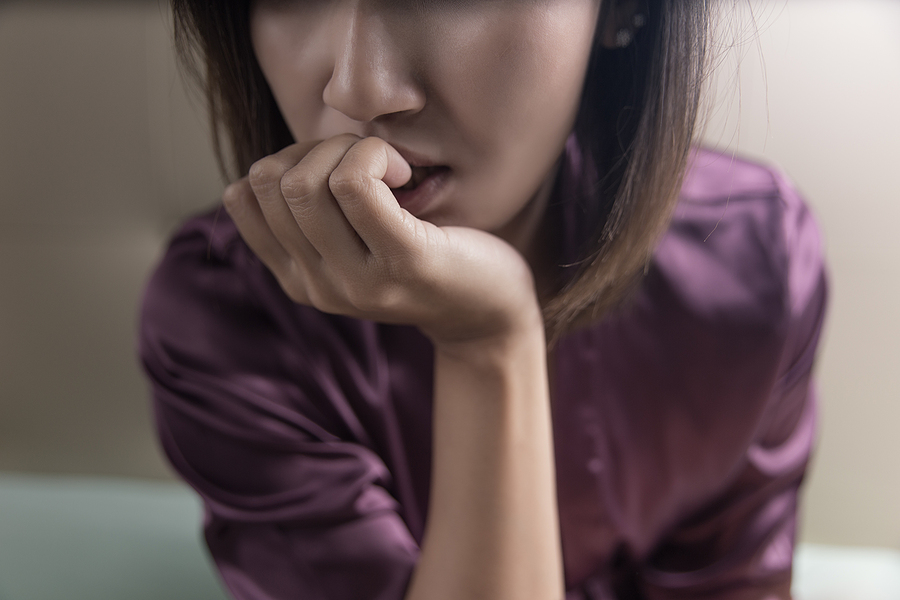
Each person has their own particular experience, but some common emotional and physical symptoms that individuals with anxiety may feel are:
- I worry far too much
- I often struggle to control constant worries
- I can’t relax
- I cannot focus
- I have difficulty going to sleep or staying asleep
- I feel tired all the time.
- I have headaches, muscle aches, stomach aches or pain of unknown origin
- I am moody and irritable
Although Symptoms are Similar, there are Different Types of Anxiety
Finding out exactly what is going on is important so that treatment is directed at what you require.
If you have long found yourself consumed by worry and fear, you have very likely been diagnosed with Generalized Anxiety Disorder. But what if your symptoms aren’t permanent? Perhaps you have recently gone through a traumatic situation or event, or perhaps a medical condition and/or medication is producing anxiety?
There are various forms of anxiety, although the symptoms are common. Which of these is most familiar to you?
Generalized Anxiety Disorder
GAD is the most prevalent form of anxiety, occurring when individuals experience excessive anxiety and worry for more days than not.
Other possible symptoms include restless or “keyed” feelings; easily fatigued; difficulty concentrating or mind going blank; Irritability; muscle tension; and sleep disturbance, among others. An individual with GAD has a much harder time controlling or managing worry.
Panic Disorder
A panic attack is defined as an episode of intense fear or discomfort that is associated with physical symptoms including sweating, shaking, and chest pain.
The thoughts of people are generally losing control and/or dying. While a panic attack may occur with any of the anxiety disorders, panic disorder is defined as the presence of recurrent, unexpected panic attacks and worry about having another panic attack.
Social Phobia
Where individuals experience anxiety around social situations and fear being negatively evaluated by others. This usually means that people tend to shun social environments, or if they cannot do it they experience a considerable amount of pre-event anxiety and post-event ruminating.
Specific Phobia
Anxiety consists of “persistent and excessive fear” that is associated with the anticipation or presence of a particular object or situation, such as spiders. The phobic individual tends to structure his or her life to avoid it.
Obsessive-Compulsive Disorder (OCD)
Individuals with OCD experience obsessions (recurrent thoughts, images or urges) and compulsions (repetitive behaviors performed to alleviate distress). OCD is consuming and definitely takes away from life.
Individuals with OCD know that their worries and ritual behaviors are not reasonable but cannot refrain because they fear what will occur if they do not prevent or compensate in that manner. The commonest compulsions include washing and cleaning, counting, asking for reassurance, checking and/or repeating.
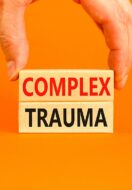
Anxiety in Post-Traumatic Stress
The anxiety is explicitly tied to the occurrence of a traumatic event, either directly experienced or witnessed, that involved the person’s experiencing or witnessing of an event that involved actual or threatened death or serious injury, or a threat to the physical integrity of the person or others, and in which the person’s reaction involved intense fear, horror, or feelings of helplessness.
Also, the presence of recurrent, intrusive memories of objectionable, distressing events that are anxiety provoking to the individual. And, avoid any and all situations that are linked to the original trauma, and or engage in other anxiety-related behaviors such as hyper-vigilance or a heightened startle response.
Pregnancy & Postpartum Anxiety
Symptoms occur during pregnancy or up to one year postpartum. Anxiety, sometimes co-morbid with depression and at other times occurring independently, affects approximately 6% of women during pregnancy and 10% of women in the postpartum period.
What all forms of anxiety have in common are two specific characteristics. First of all it sucks to feel that way anyway it sucks to be anxious it sucks for the quality of life. Second, and most importantly, it is very treatable.
We Can Help!
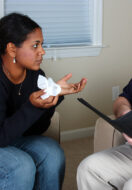
Odyssey Counseling’s therapists, using effective, evidenced- based therapeutic techniques and many years of experience, are able to quickly get to the heart of the issue.
Through a caring, solutions- oriented lens, we collaborate with our clients to focus on the concerns that are leading to feeling overwhelmed and stressed so that you will worry less and enjoy life more.




 Listen In