If you’ve realized that you are consistently unhappy when the days grow shorter, you’re not alone.
The days darken and the weather begins to chill. We find ourselves outdoors less and exposed to light less. This can disrupt the body’s internal clock (circadian rhythm) and, still producing the sleep hormone, melatonin, result in a decreased mood and energy.
This is called seasonal affective disorder, or SAD, which is a recurrent major depressive disorder that has a seasonal pattern. But winter blues does not always equal clinical depression. Instead, people more typically identify SAD as subclinical depressive symptoms which manifest in the fall or winter.
Those who have only a few winter-related symptoms, such as low energy or a slightly lower mood, would make good candidates for initially implementing lifestyle changes. Others may experience a pre-existing depression that worsens during late fall or winter. Those patients may require earlier intervention.
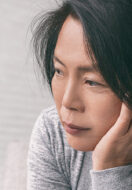
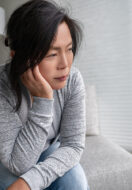
The winter blues can resemble a major depressive episode. Symptoms may commonly include:
- Loss of interest or pleasure in things once enjoyed
- Isolating from others
- Sleeping an hour or more during every day
- Changes in appetite, particularly a desire for high carbohydrate foods
- Fatigue or low energy
- Trouble thinking, concentrating or making decisions
If your seasonal symptoms are on the mild side, counseling professionals urge adopting the following lifestyle changes to help improve your mood:
- Make time to be outdoors daily for any amount of time to get fresh air.
- Pull open your blinds or window shades to allow more sun in.
- Schedule visits with friends and family to remain socially active.
- Sleep well at night but avoid sleeping in too late as this can exacerbate symptoms.
- Maintain a clean diet of fresh fruits and vegetables, lean protein and complex carbohydrates.
- Schedule time in your calendar for engaging in something you enjoy, whether a hobby or activity.
- Take up a new wintertime sport: skiing, ice skating or sledding.
- Engage in mindfulness meditation, journaling, or breathing exercises.
- Begin or continue an exercise program.
- Use light lamps available online to try light therapy.
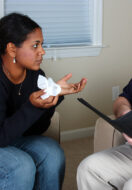
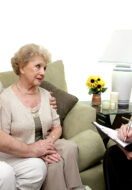
If you feel that symptoms are getting in the way of your daily life or if symptoms have persisted despite lifestyle change, consider making an appointment for counseling. Odyssey Counseling can be reached at 505-315-7397 to make an appointment.






 Listen In